
API Integrations That Actually Stick
Fragile integrations quietly tax every team: failed syncs, duplicate records, support tickets nobody owns.
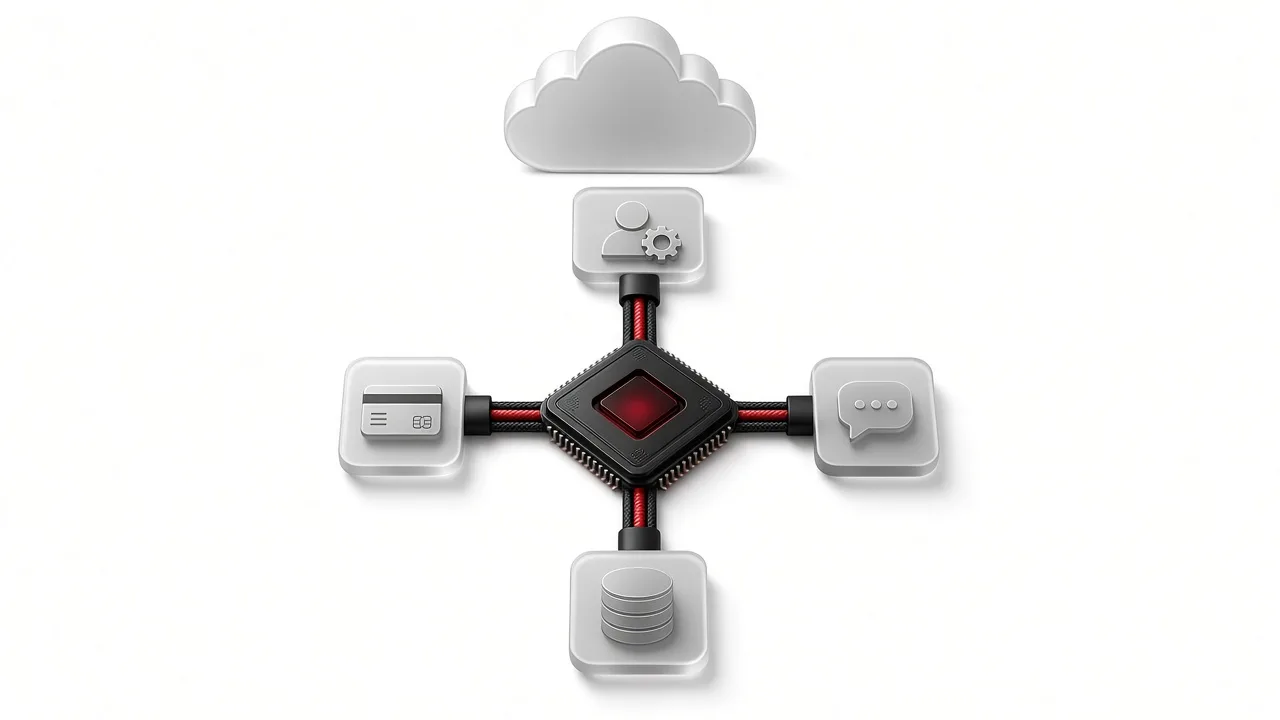
Fragile integrations quietly tax every team: failed syncs, duplicate records, support tickets nobody owns.
Design the contract first
Before writing glue code, document:
- Source of truth for each field
- Direction of sync (one-way vs two-way)
- Conflict rules
- Identity matching (email, external IDs)
- Latency expectations (real-time vs nightly)
Production basics
- Authenticate with least privilege and rotatable secrets
- Idempotent writes where retries happen
- Backoff and dead-letter handling for failures
- Structured logs and alerts on error budgets
- A manual replay path for ops
Buy, automate or build
- Vendor-native connectors when they cover the job
- Automation platforms for light orchestration with human approvals
- Custom integration services when mapping and volume justify engineering
Ownership
Name an owner for each integration. “The middleware” is not an owner.
Three Spaces implements durable integrations inside custom software, AI automation and infrastructure work.
Need an integration that stops waking the team at night? Start a project.
Frequently asked questions
Are no-code zaps enough?
For low volume and low risk, yes. For money, inventory or identity flows, engineer proper contracts and monitoring.
How do we test integrations?
Use sandboxes, contract tests and replayable fixtures. Never invent production side effects in QA.
What about rate limits?
Design queues and caching around known limits. Burst traffic without a plan becomes outage theatre.