Custom Software vs Off-the-Shelf Tools: How to Decide
Buying another SaaS seat feels fast. Building custom software feels heavy. The wrong choice either locks your team into workarounds or burns budget on software you did not need.
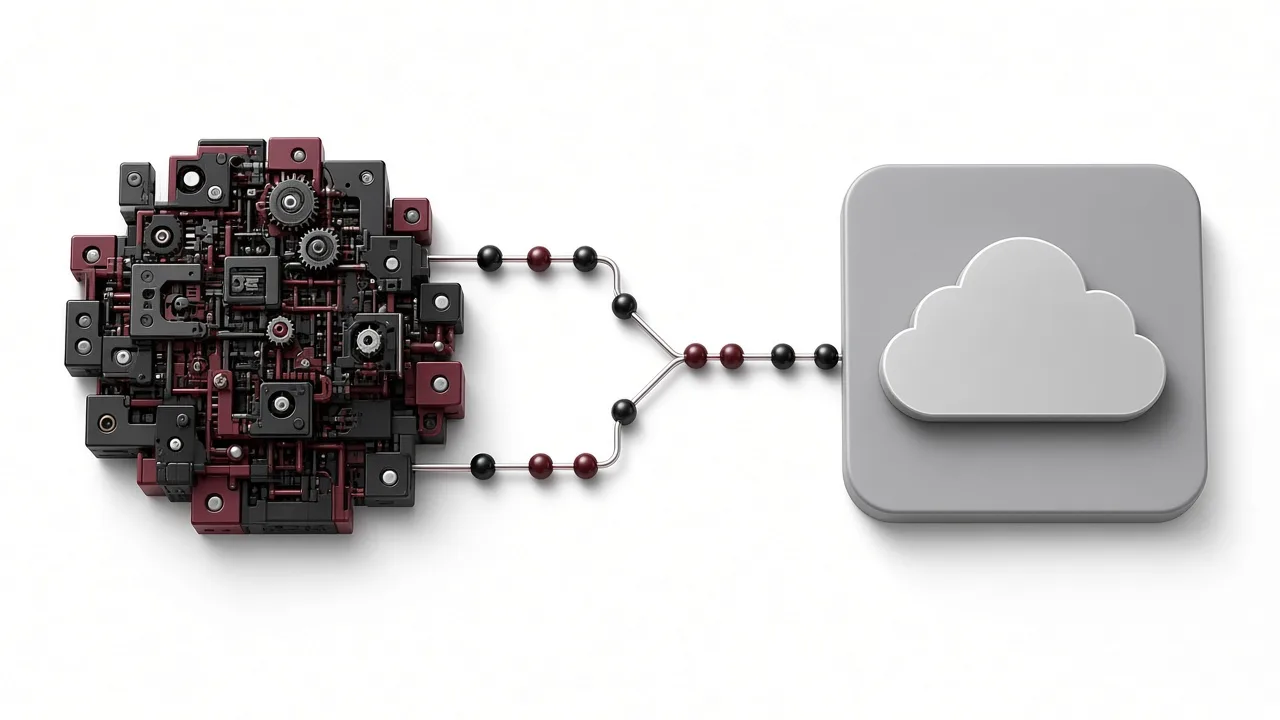
Buying another SaaS seat feels fast. Building custom software feels heavy. The wrong choice either locks your team into workarounds or burns budget on software you did not need.
This guide helps operators decide with clearer criteria.
Choose off-the-shelf when
- The workflow is common (CRM, payroll, basic helpdesk)
- Configuration covers 80% of the job without painful hacks
- Integrations exist for your critical systems
- You can accept the vendor’s roadmap and pricing changes
- Data export and exit paths are acceptable
Choose custom software when
- The process is your competitive advantage or highly regulated
- Staff spend hours moving data between tools every week
- Permissions, roles or reporting do not fit any product cleanly
- You need ownership of the data model and deployment
- Off-the-shelf tools force expensive consultants forever
Total cost beats licence price
Off-the-shelf looks cheaper until you add:
- Seats that grow with headcount
- Integration and Zapier-style glue that breaks
- Manual workarounds staff invent
- Migration cost when the vendor sunsets a feature
Custom looks expensive until you add:
- Reduced double entry
- Faster cycle time on the core workflow
- Software your team can evolve without waiting on a roadmap
A practical decision sequence
- Map the job and the people who do it
- List must-have rules, approvals and reports
- Trial the best-fit SaaS against that list honestly
- Price the glue and training, not just the subscription
- If gaps remain in core workflows, scope a thin custom first release
Related reading: when to automate a workflow and what belongs in an MVP software release.
How Three Spaces helps
We build custom software when the workflow deserves it — and recommend buy-over-build when a product already fits. AI automation can bridge tools while you decide.
Need a clear build-versus-buy recommendation? Start a project.
Frequently asked questions
Can we start with SaaS and customise later?
Yes. Many teams start with SaaS, then replace the painful middle with a portal or internal app once the process is proven.
Is no-code the middle ground?
No-code helps prototypes and internal tools. It can become fragile at scale, with permission and performance limits — plan the exit path early.
Who owns the code in a custom build?
You should. Contracts should state repository ownership, hosting accounts and handover documentation.